
4mm clear float glass
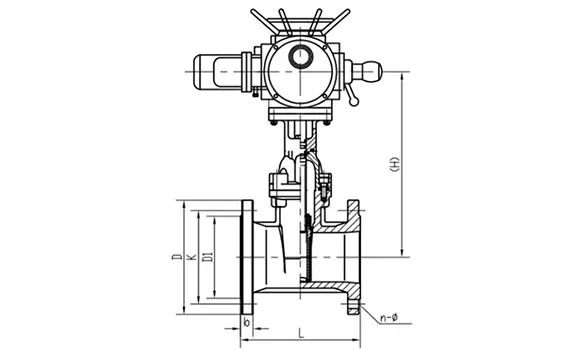
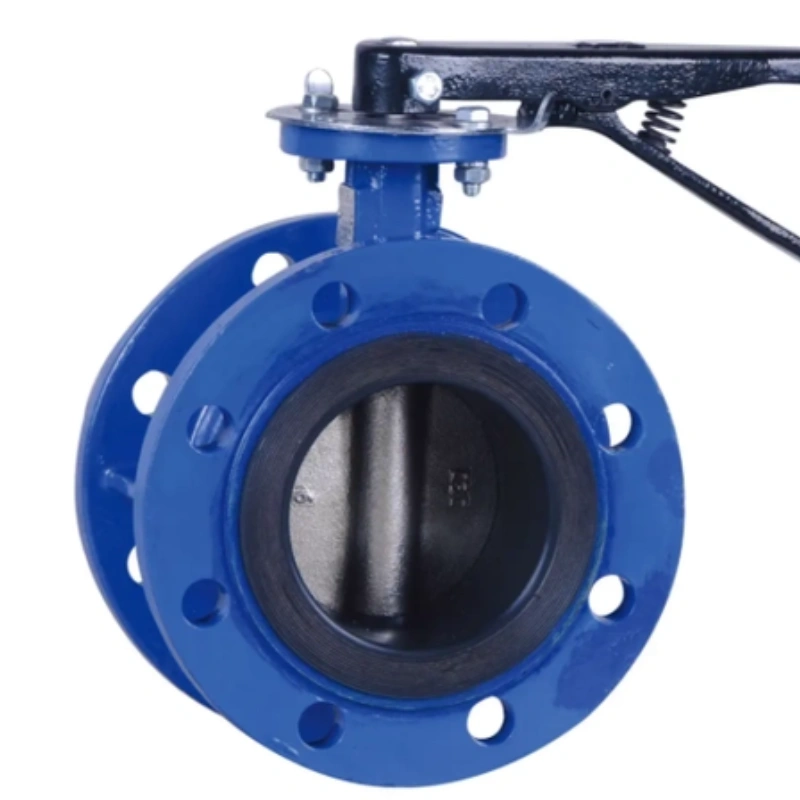
Tipos de Válvulas de Control y sus Aplicaciones Las válvulas de control son dispositivos esenciales en el ámbito de la ingeniería y la automatización industrial. Se utilizan para regular el flujo, la presión y la temperatura de los fluidos en sistemas de tuberías. La elección del tipo adecuado de válvula de control es fundamental para asegurar la eficiencia y el funcionamiento óptimo de cualquier proceso. A continuación, se presentan los tipos más comunes de válvulas de control y sus aplicaciones. 1. Válvulas de Glóbulo Las válvulas de glóbulo son una de las más utilizadas en aplicaciones de control de flujo. Se caracterizan por su cuerpo esférico y su disco de cierre que se mueve perpendicularmente al flujo. Estas válvulas ofrecen una buena capacidad de control y son ideales para aplicaciones que requieren un manejo preciso del flujo, como en sistemas de refrigeración, calefacción y en procesos químicos. Su diseño permite un fácil mantenimiento, lo que las hace populares en muchas industrias. 2. Válvulas de Mariposa Las válvulas de mariposa son otra opción común en el control de flujo. Su diseño consiste en un disco que gira alrededor de un eje, permitiendo así abrir y cerrar el paso del fluido. Son especialmente adecuadas para aplicaciones donde el espacio es limitado, como en tuberías de diámetro grande. Estas válvulas son fáciles de operar y, debido a su construcción, ofrecen una baja resistencia al flujo, lo que las hace adecuadas para sistemas de gran caudal, como en la industria del agua y aguas residuales. 3. Válvulas de Achique Las válvulas de achique, también conocidas como válvulas de compuerta, son utilizadas principalmente en aplicaciones que requieren el cierre total del flujo. Su diseño permite un paso completamente despejado cuando se encuentran en la posición abierta. Aunque no son ideales para el control preciso del flujo, son muy efectivas en situaciones donde se necesita cortar o permitir el flujo de manera rápida, como en sistemas de drenaje y en aplicaciones industriales donde se requiere un control de flujo mínimo. 4. Válvulas de Diafragma control valve types and applications Las válvulas de diafragma son ideales para aplicaciones que requieren un control preciso de fluidos corrosivos o contaminantes. Estas válvulas utilizan un diafragma flexible para abrir y cerrar el flujo. Este diseño no solo proporciona un control eficiente, sino que también minimiza el riesgo de contaminación, haciendo de esta válvula una elección popular en la industria farmacéutica y alimentaria. Su capacidad para manejar fluidos agresivos las convierte en una herramienta esencial en diversas aplicaciones químicas. 5. Válvulas de Bola Las válvulas de bola son conocidas por su capacidad para ofrecer un cierre hermético. Están compuestas por una bola perforada que gira en su interior, permitiendo el paso del fluido. Aunque su función principal es permitir o bloquear el flujo, también se utilizan en aplicaciones de control debido a su rapidez de operación y su capacidad para manejar altas presiones y temperaturas. Son comúnmente empleadas en la industria del petróleo, gas y agua. Aplicaciones de las Válvulas de Control Las válvulas de control se utilizan en una amplia variedad de aplicaciones industriales. Algunos de los sectores donde su implementación es crucial incluyen - Industria Química Para regular la mezcla de reactivos y controlar el flujo de productos químicos a través de las plantas. - Tratamiento de Aguas En sistemas de tratamiento, filtración y distribución de agua potable. - Industria Alimentaria Para controlar la temperatura y flujo de productos durante el procesamiento y envasado. - Centrales Eléctricas En turbinas y sistemas de refrigeración donde el control de temperatura y presión es crítico. Conclusión La elección de la válvula de control adecuada depende de varios factores, incluida la naturaleza del fluido, el rango de presión y temperatura, y las necesidades específicas de control. Entender los diferentes tipos de válvulas y sus aplicaciones ayuda a optimizar el rendimiento de los sistemas industriales, garantizando no solo eficiencia sino también seguridad en las operaciones. Con el avance de la tecnología, las válvulas de control continúan evolucionando, ofreciendo soluciones más sofisticadas para los desafíos industriales actuales.
about
4mm clear float glass
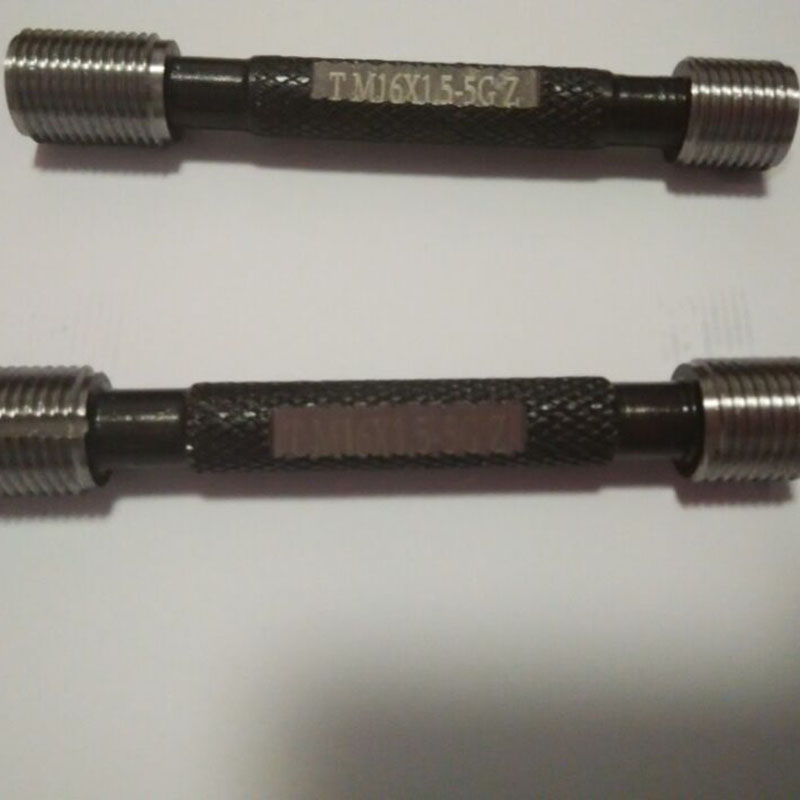
Understanding Dial Bore Gauges Precision Measurement in Engineering When discussing precision measurement tools used in engineering and manufacturing, the dial bore gauge stands out as an essential instrument. This tool is used to measure internal diameters of holes and cylinders with a high degree of accuracy. It plays a critical role in ensuring that components meet precise specifications, which is vital in industries such as automotive, aerospace, and machinery manufacturing. What is a Dial Bore Gauge? A dial bore gauge is a specialized measuring instrument equipped with a dial indicator and expandable arms. The dial indicator displays the measurement on a graduated scale, making it easy for operators to read and interpret results. The design of the gauge allows it to fit into a variety of hole sizes, giving it versatility in different applications. The primary components of a dial bore gauge include the following - Body The main structure of the gauge provides stability and support. - Measuring tips These are inserted into the bore and make contact with the internal surface. They come in various sizes to accommodate different bore diameters. - Dial indicator This is the display unit that shows the measurements taken by the gauge. It typically shows measurements in millimeters or inches. - Adjustment mechanism This feature allows for the calibration of the gauge to ensure accurate readings. How Does a Dial Bore Gauge Work? Using a dial bore gauge is a straightforward process that requires a few steps to ensure accuracy 1. Preparation Before measurement, the bore should be clean and free from debris. This step is crucial since any dirt or residue can lead to inaccurate readings. 2. Insertion of the Gauge The measuring tips of the gauge are inserted into the bore until they make contact with the wall. 3. Adjustment The gauge is then adjusted to ensure it makes full contact with the surface of the bore. This may involve pushing the arms outward to fit snugly against the walls. 4. Taking a Reading Once set, the operator reads the dial indicator to determine the internal diameter. The measurement can then be compared to the desired specifications. The precision of a dial bore gauge is affected by several factors, including the quality of the instrument, the skill of the operator, and the environmental conditions in which measurements are taken. Therefore, regular calibration and proper handling are essential to maintain accuracy . dial bore gauge Applications of Dial Bore Gauges Dial bore gauges are utilized in various applications across different industries - Engine Manufacturing In the automotive industry, ensuring that cylinder bores maintain precise dimensions is vital for engine performance. Dial bore gauges help in measuring these to ensure proper fitment of pistons and rings. - Aerospace Components Given the rigorous standards required in aerospace engineering, dial bore gauges are used to measure the internal diameters of components such as fuel lines and engine casings. - Machinery and Tooling In manufacturing setups, dial bore gauges are essential for checking the dimensions of tools and machinery parts to ensure they fit together correctly and operate efficiently. Advantages of Using Dial Bore Gauges One of the key benefits of dial bore gauges is their ability to deliver precise measurements quickly. This efficiency is crucial in production environments where time and accuracy are paramount. Additionally, these gauges are relatively easy to operate, making them accessible to technicians and engineers alike. Moreover, dial bore gauges offer an advantage over electronic measurement tools in certain settings. They do not require batteries or electronic components, which can be advantageous in environments where electrical interference may pose a problem. Conclusion In conclusion, dial bore gauges play a pivotal role in achieving precision in engineering and manufacturing. Their design and functionality enable accurate measurement of internal diameters, ensuring that components meet required specifications. As technology advances, the importance of precise measurement remains constant, and the dial bore gauge will continue to be an invaluable tool in various industries. Whether for quality control, manufacturing, or assembly, understanding and utilizing dial bore gauges effectively can significantly enhance the quality and reliability of engineered products.
-

High quality industrial productsagement

High quality industrial products
View Details -

Meet the diverse needs of customers

Meet the diverse needs of customers
View Details -

Strict quality control

Strict quality control
View Details -

Top raw materials

Top raw materials
View Details -

Trusted supplier

Trusted supplier
View Details
Our application


news and information
where is the water shut off valve
Where is the Water Shut-Off Valve? Understanding the location and function of the water shut-off val

vibration pad material
Understanding Vibration Pad Materials A Comprehensive Overview In a world that increasingly relies o
Valvola a farfalla da 50 mm per applicazioni industriali e sistemi di tubazioni
Valvola a Farfalla da 50 mm Un Elemento Chiave per il Controllo dei Fluidi La valvola a farfalla rap
 English